15 Textured Wall Design Ideas for Modern Homes in 2026
Posted on by The Quarry
Textured walls are a popular way to bring depth, warmth and character to contemporary homes, without relying solely on paint, artwork or décor. A well thought out textured wall design may improve the feeling of a room by giving it movement, dimension and a more polished look to the area.
Textured wall designs are becoming a popular choice in Indian homes, encompassing living rooms, bedrooms, foyers, dining spaces and statement walls to create anything from a soft, relaxing backdrop to a dramatic architectural feature. From delicate plaster and matte finishes to wood panels, stone textures, 3D surfaces and marble walls, the right texture can make an apartment feel richer, more layered and more deliberately planned.
In this guide we look at 15 textured wall design ideas that can help you pick the ideal finish for your home, depending on the room, material, lighting and overall design mood.
Why Textured Wall Design is Trending in Indian Homes
Indian interiors are moving towards homes that feel calmer, warmer and more personal. Walls are no longer treated as plain backdrops, which is why textured wall design fits so naturally into modern homes today.
It adds personality without overwhelming the room.
Even a soft texture can make a space feel more finished than plain painted walls. In living rooms, it can frame a sofa or TV unit. In bedrooms, it can create a quieter backdrop. In entrance foyers and dining spaces, it can make the wall itself feel like part of the design.
A thoughtfully designed home front wall texture design also changes the first impression of a house. Stone, grooves or layered finishes can add warmth, luxury and character before anyone enters the space.
Inside the home, texture helps define different moods and functions. A soft plaster wall can make a bedroom feel restful. A grooved stone wall can make a hallway feel more architectural. A layered wall texture design for hall spaces can make larger rooms feel warmer and more complete.
The effect is subtle, but it changes how the space is experienced.
Types of Textured Wall Design You Can Choose From
Texture can come from many different materials, finishes and design approaches.
Some homes use textured paint for a softer background, while others use stone, wood, marble, plaster or sculptural panels to create a stronger feature wall. The choice depends on where the wall is placed, how much light the room receives and whether the texture is meant to stay subtle or become the main design element.
Matte finishes work well for calm bedrooms and passages. Stone textures suit foyers, balconies and feature walls. Wood adds warmth behind beds, TV units and study corners. Marble works beautifully when the wall needs natural movement and a more luxurious presence.
The best textured walls feel connected to the room around them. They make the space richer, more layered and more complete.
1. Textured Wall Design with Subtle Matte Finish
Some walls work best when they stay subtle.
A matte textured wall design is ideal when you want depth without making the wall the main feature. It works especially well behind a bed, along a passage wall or in a reading corner where the surface needs to feel calm but not flat.
The finish absorbs light softly, so it is a good choice for rooms that already receive strong daylight or spaces where you want a more restful mood. Warm neutrals such as ivory, beige, clay, taupe and soft grey keep the look refined while allowing furniture, artwork or lighting to stand out.
2. Metallic Textured Wall Design for a Premium Look
Metallic textures are at their best when utilised as accents rather than plastered across every wall.
Warm lighting may enhance a dining room, foyer or formal seating space, especially when accented with a textured wall design in a soft champagne, bronze, brushed gold or muted copper. It looks wonderful behind a console, bar unit, dining table or statement mirror where the finish will catch the light without taking over the room.
Simple surrounding walls lend a more sophisticated feel, with the metallic texture working well with wood, marble, glass or neutral upholstery. The impact is richer when the shine is under control and the wall can glow softly.
3. Rustic Stone-Inspired Wall Rustic Texture Design
Natural stone textures work well when a wall needs weight, character and a stronger architectural presence.
A wall rustic texture design can be used in a foyer, balcony, outdoor lounge or villa entrance to make the space feel grounded without making it look heavy. For interiors, it works especially well as a feature wall behind seating, along a staircase or around a courtyard-facing area where natural light can bring out the surface detail.
It is also a strong choice for a home front wall texture design, especially when paired with clean landscaping, warm exterior lighting or simple metal accents. The finish creates a memorable first impression while still feeling refined and natural.
4. Wood Panel Textured Wall Design for Warm Interiors
Wood textured walls are useful when a room needs warmth, rhythm and visual order.
A wood-based textured wall design can be planned with vertical panels to make a ceiling feel taller or horizontal panels to make a wall appear wider. Fluted wood works especially well behind a bed, TV unit, study desk or lounge seating because it adds detail without making the room feel busy.
For a more refined look, pair wooden texture with soft lighting, neutral upholstery, marble flooring or a simple console. The texture then becomes part of the room’s architecture rather than just a decorative surface.
5. Geometric Pattern Textured Wall Design
Geometric textures work well when a room needs structure without adding too much colour or décor.
This kind of textured wall design uses grooves, raised patterns or repeated shapes to create movement on the wall itself. It can be used in entrance foyers, offices, feature walls and larger living spaces where the design needs to feel more defined.
For hall spaces, a well-planned wall texture design can help break the length of a plain wall and make the area feel more architectural. Keep the pattern clean and balanced so the space still feels minimal, open and clutter-free.
6. Concrete Finish Textured Wall Design for Industrial Style
Concrete textures work best when you want a room to feel clean, urban and architectural.
A concrete finish textured wall design can be used in contemporary apartments, studio spaces, entertainment rooms or home offices where the overall style is more modern. It works especially well behind a media unit, bar counter, study desk or open shelving because it gives the wall depth without needing additional decoration.
To keep the space from feeling too cold, pair concrete with warmer materials such as wood, marble, linen, rugs or soft lighting. This balance makes the texture feel refined rather than harsh.
7. Brick-Effect Textured Wall Design
Brick textures work great when you want to give a place warmth, character and a more casual atmosphere.
Textured wall design with brick-inspired pattern works in family rooms, balconies, entertainment areas or informal lounges where the wall should be welcoming but not too refined. Red brick provides a more rustic appearance, whitewashed brick creates a lighter room and grey brick lends itself to a more contemporary or industrial decor.
Brick should be used as a focal wall in the home, not all over the room. Mix it with basic furniture, warm lighting and indoor plants or wooden accents so the texture feels deliberate and not too busy.
8. Venetian Plaster Textured Wall Design
Venetian plaster works well when a wall needs quiet depth rather than a bold pattern.
This type of textured wall design appears smooth from a distance but reveals soft layers and movement up close. It is a strong choice for formal living rooms, dining areas, powder rooms and luxury bedrooms where the wall should feel refined without becoming too decorative.
Use it behind a bed, dining console, mirror or artwork to create a subtle backdrop that catches light beautifully. Soft colours inspired by stone, pearl, warm ivory and muted beige allow the texture to remain the main detail without making the room feel overdone.
9. Sand Texture Wall Design for a Natural Feel
Sand textures work well when a room needs depth but still has to feel soft and minimal.
A sand finish textured wall design adds a fine grain to the wall, making it a good choice for bedrooms, meditation corners, quiet living areas or balcony walls. It works especially well in homes that already use natural materials such as wood, linen, cane or marble.
Use this texture on a single wall behind a bed, low seating area or reading corner so it adds warmth without taking over the room. Soft lighting and neutral furniture help the finish feel calm, earthy and intentional.
10. 3D Textured Wall Panels
3D panels work well when a plain wall needs to become a clear focal point.
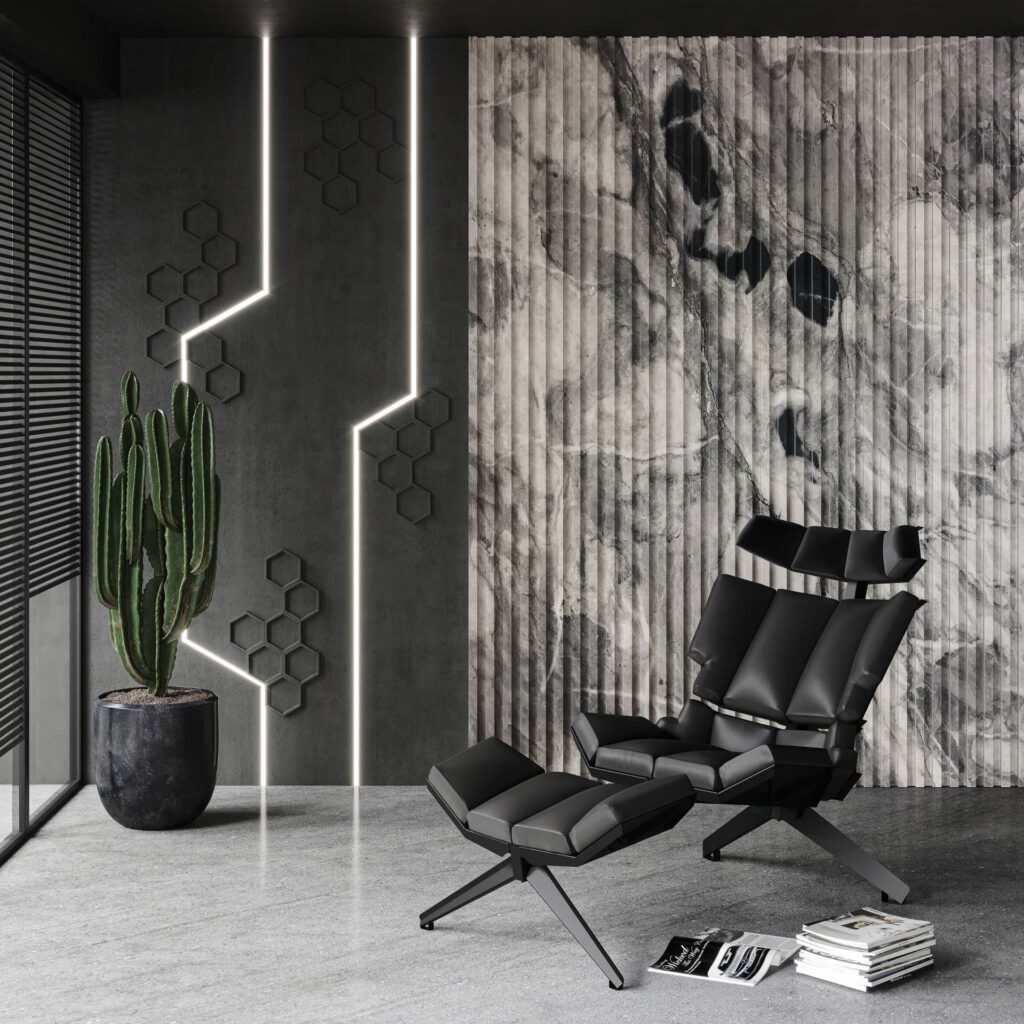
Raised surfaces, sculptural forms, grooves and layered patterns can add strong depth to a textured wall design, especially when paired with concealed lighting. This works well behind a TV unit, along a staircase wall, in an entrance foyer or across a large hall wall where the surface has enough space to breathe.
For a bold wall texture design for hall areas, choose softer patterns with clean lines rather than extremely sharp or trendy designs. This keeps the wall architectural and modern while making sure the texture does not overwhelm the space.
11. Fabric-Inspired Textured Wall Design
Fabric-inspired walls work well when a room needs softness, comfort and a quieter visual finish.
This type of textured wall design can resemble linen, suede, woven fabric or silk, while being easier to maintain than actual fabric panels. It is especially useful in bedrooms, lounges, private sitting rooms and reading corners where the wall should add warmth without becoming dramatic.
For a wall texture design for bedroom spaces, use it behind the bed or along a side wall to create a calmer backdrop. Pair it with upholstered furniture, warm lighting, soft rugs or wooden accents so the room feels layered, comfortable and complete.
12. Marble Finish Textured Wall Design
Marble works well when a textured wall needs natural movement, depth and a more refined presence.
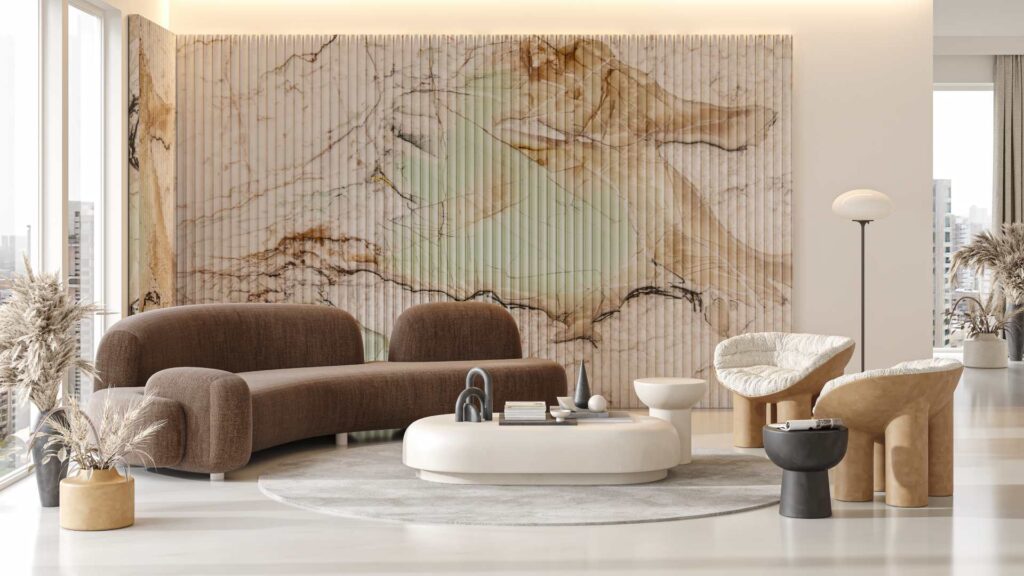
A marble-inspired textured wall design can be created with full natural slabs, bookmatched panels, grooved marble, fluted stone or honed surfaces. It works beautifully behind a sofa, along a staircase wall, in an entrance foyer or around a formal dining space where the wall can become a natural focal point.
For homes that already use Italian marble flooring for living room India, carrying marble onto selected walls, staircases or entrance areas can create a more continuous design language.
For homeowners looking for marble wall design ideas, finishes such as bookmatched slabs, fluted panels and honed marble offer elegant ways to introduce texture while maintaining a refined aesthetic. The key is to use marble with restraint, so the veining and finish feel intentional rather than excessive.
13. Dual-Tone Textured Wall Design
Dual-tone walls work well when a room needs depth without relying on strong colour.
This type of textured wall design uses two finishes or surface treatments to create a subtle contrast. Matte plaster with metallic detailing, stone with smoother panels or two tonal variations of the same texture can add dimension without making the wall feel visually heavy.
It works beautifully in larger living spaces, dining rooms, entrance foyers and formal seating areas. Use it behind a console, dining wall or seating area where the contrast can frame the space in a refined way.
14. Minimalist Micro-Texture Wall Design
Micro-textures are useful when a minimal room needs depth without losing its clean look.
This kind of textured wall design adds very fine movement to the surface, so the wall does not look flat but the room still feels calm and restrained. It works well in smaller apartments, bedrooms, passages and contemporary interiors where simplicity matters.
This understated approach also complements a minimalist marble style, where subtle textures and clean natural veining work together to create calm, sophisticated interiors.
Soft neutrals such as ivory, beige, taupe and warm grey usually work best because they allow the texture to stay subtle. The result is quiet, refined and easy to live with.
15. Custom Artistic Textured Wall Design
Custom textures work best when a wall needs to feel specific to the home.
Sculptural plaster, carved stone, hand-finished textures, artistic grooves and layered materials can turn a plain wall into a more personal design feature. These ideas work beautifully in double-height foyers, formal living rooms, luxury bedrooms and statement entrance walls where the architecture has room to carry a stronger surface treatment.
This is also where contemporary Italian marble flooring design can work beautifully, as a polished floor can create contrast against a more tactile wall surface.
How Textured Wall Design Impacts Lighting and Mood
Texture changes how light behaves inside a room.
Smooth walls reflect light evenly, while textured walls create shadows, softness and depth. A grooved surface introduces rhythm. Stone creates contrast. Marble diffuses light in a softer and more luminous way.
That is why lighting becomes such an important part of textured wall design.
Warm lighting paired with subtle textures creates calmness. Dramatic lighting paired with stone or sculptural walls creates atmosphere and focus.
The balance is especially beautiful when paired with Italian marble flooring design ideas for modern homes, as the flooring reflects light and the walls add depth and character.
Where Marble Fits into Textured Wall Design
Marble works beautifully in textured wall applications because the stone already carries natural movement through its veining, colour variation and depth. Statement Marbles are ideal for creating bold feature walls that become the focal point of a space, while Celebrity Marbles offer a more refined balance of elegance and visual character.
For a more architectural look, marble can be used as fluted panels, grooved stone surfaces or carved wall sections. For a more dramatic effect, bookmatched slabs can create a mirrored pattern across a feature wall, especially in living rooms, foyers, staircases and formal dining spaces.
The finish also changes the mood of the wall. Honed marble feels softer and more understated, while polished marble reflects more light and creates a stronger visual presence. Leathered or brushed finishes can add a more tactile quality where the surface is meant to feel grounded and natural.
If you are exploring the best Italian marble types for flooring in India, it is also useful to look at how the same stone can continue onto selected wall surfaces. A full marble wall can become the main feature in a larger space, while a fluted marble panel, niche or smaller wall section can add texture in a more restrained way.
At The Quarry, textured wall design begins with the character of the stone itself. The veining, scale, finish and surface treatment of each marble slab are considered carefully, especially for applications such as fluted panels, grooved walls, bookmatched features and statement foyers. This helps the wall feel like a natural part of the home’s design language rather than a decorative addition.
For truly bespoke interiors, Rare and Precious Marbles offer distinctive colours, patterns and natural character that elevate textured wall applications into timeless design features.
Final Thoughts
Walls shape the mood of a home more than most people realise.
Sometimes texture creates warmth. Sometimes softness. Sometimes quiet drama. The best spaces usually balance all three.
A thoughtful textured wall design does not need to feel loud to feel luxurious. Often, the most beautiful textures are the ones you notice slowly over time.
Stone walls bring grounding. Wood introduces warmth. Venetian plaster softens light beautifully. Marble adds depth and timeless sophistication. Even the quietest micro texture can make a home feel more complete.
The right texture is never just about design trends.
It is about choosing surfaces that continue feeling beautiful long after everything else changes.
FAQs
You can add texture through textured paint, Venetian plaster, fluted wood panels, stone cladding, marble slabs or 3D wall panels. For natural stone, marble or detailed panel work, professional installation is recommended because cutting, alignment, finishing and lighting affect the final result.
Textured walls are made using textured paint, plaster, stone, wood, marble, wall panels or 3D surfaces. Some finishes are applied directly to the wall, while others need cladding, panel installation or specialist craftsmanship.
The cost depends on the material, finish, wall size and installation detail. Textured paint and plaster are usually simpler options, while marble, natural stone, fluted panels and custom artistic finishes require higher material and workmanship costs.
Start by looking at the room’s size, natural light, flooring, furniture and purpose. A bedroom may need a softer texture, while a foyer or living room can carry a stronger feature wall. The right textured wall should add depth without making the space feel crowded.
Textured paint is often more durable and easier to maintain in Indian homes, especially in areas exposed to humidity or regular use. Wallpaper offers more printed patterns, but textured paint, plaster, stone or marble usually feels more integrated with the architecture of the room.
The best textured wall design for living rooms is usually one that creates a focal point without overpowering the seating layout. Stone, wood panels, marble finishes, soft plaster and 3D panels work well behind sofas, TV units, consoles or dining walls.
Natural stone, marble, granite and high-quality wall panels are among the most durable choices when installed and maintained properly. For high-use areas, choose finishes that resist stains, moisture and daily wear.