Quartz vs. Quartzite Countertops The Definitive Guide to Luxury Countertops
Posted on by The Quarry
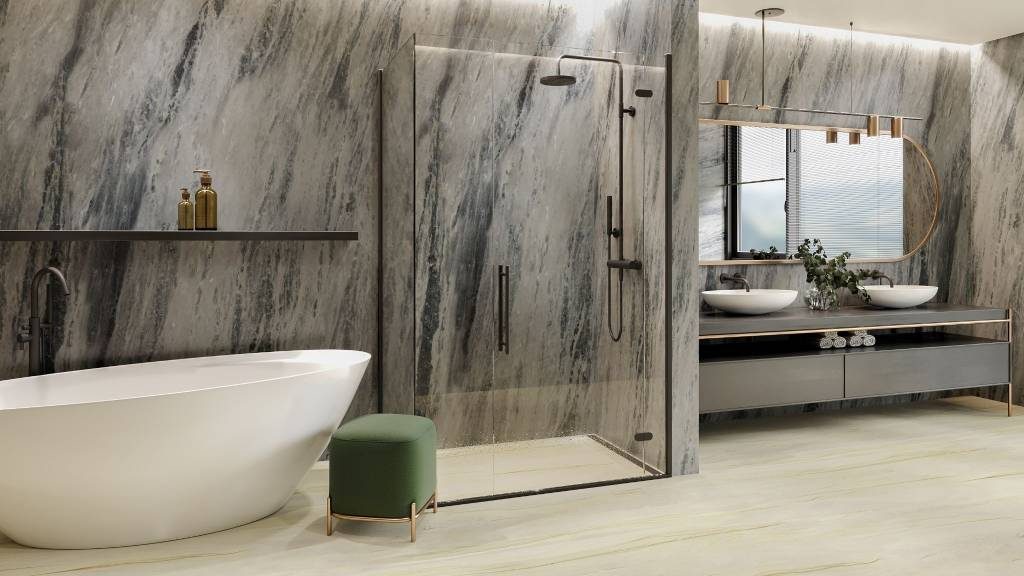
When designing a refined home, material decisions shape the entire experience. Among the most discussed surfaces today is quartz vs. quartzite. Both are admired in luxury interiors. Both are durable. Yet the difference between quartz and quartzite goes far deeper than appearance.
Homeowners exploring quartz vs. quartzite countertops often assume the choice is purely aesthetic. In reality, the conversation around quartz and quartzite is about origin, authenticity and long term performance. At The Quarry, where every slab is 100% Natural and 100% Italian finished and handpicked from 179 quarries across 31 countries , this distinction defines everything.
What is Quartzite? Defining a One-of-a-Kind Natural Stone
To properly understand quartz vs. quartzite, we must begin with quartzite. When people search what is quartzite vs. quartz, the answer begins with nature itself.
Quartzite is a natural stone formed when sandstone undergoes immense heat and pressure deep within the Earth. Over millions of years, this transformation creates an exceptionally dense and resilient surface. Unlike engineered materials, quartzite is entirely shaped by Mother Nature.
Its one-of-a-kind veining and vibrant crystalline depth ensure that no two slabs are ever identical. This is where the difference between quartz and quartzite becomes visually undeniable.
You can also read about the Natural Stones for Interior Designing
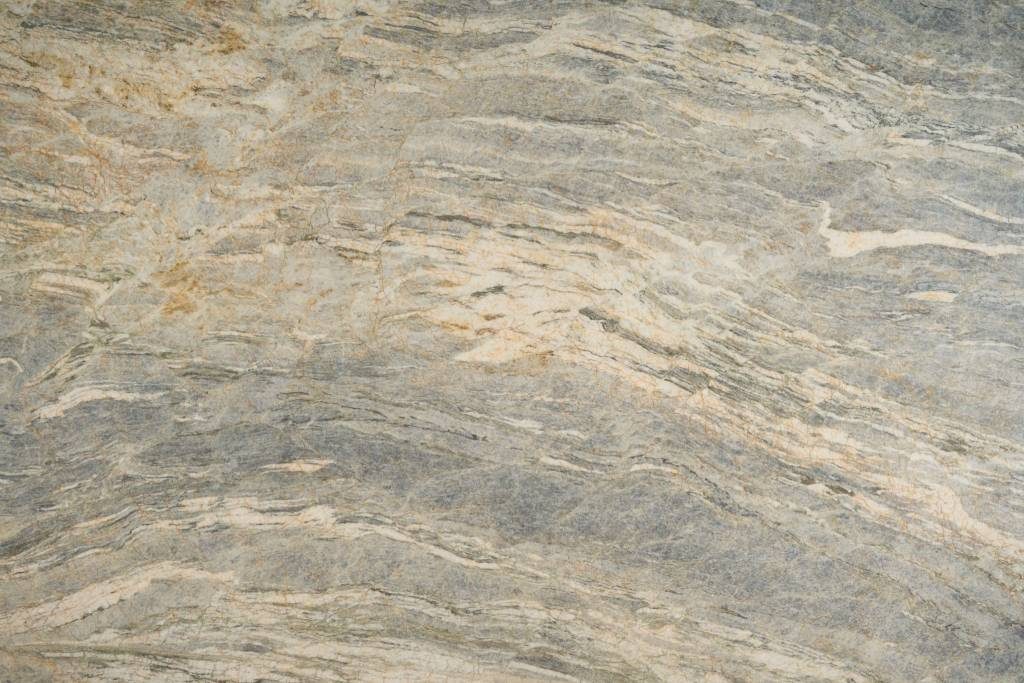
How Quartzite Is Formed Naturally
Quartzite forms when sandstone is buried beneath layers of rock and exposed to geological forces. Heat and pressure recrystallise the grains, increasing hardness and strength. This metamorphic evolution produces a breathtaking surface that balances durability with organic beauty.
When evaluating quartz vs. quartzite, this natural formation is central to understanding the material’s value.
Key Characteristics of Quartzite Countertops
Quartzite countertops are prized for both performance and presence. Before deciding between quartz or quartzite, it is important to understand these defining traits.
- Hardness and Strength
Quartzite is exceptionally hard and highly resistant to everyday wear. - Natural Veining
Each slab features one-of-a-kind, organically shaped movements. - Heat Resistance
Quartzite performs confidently in high-heat kitchen environments. - Luxury Appeal
Its vibrant depth and natural beauty create a breathtaking statement in luxury interiors.
For surfaces that express bold character and natural drama, see Statement Marbles.
Now let us look at Quartz.
What is Quartz? Understanding Engineered Surfaces
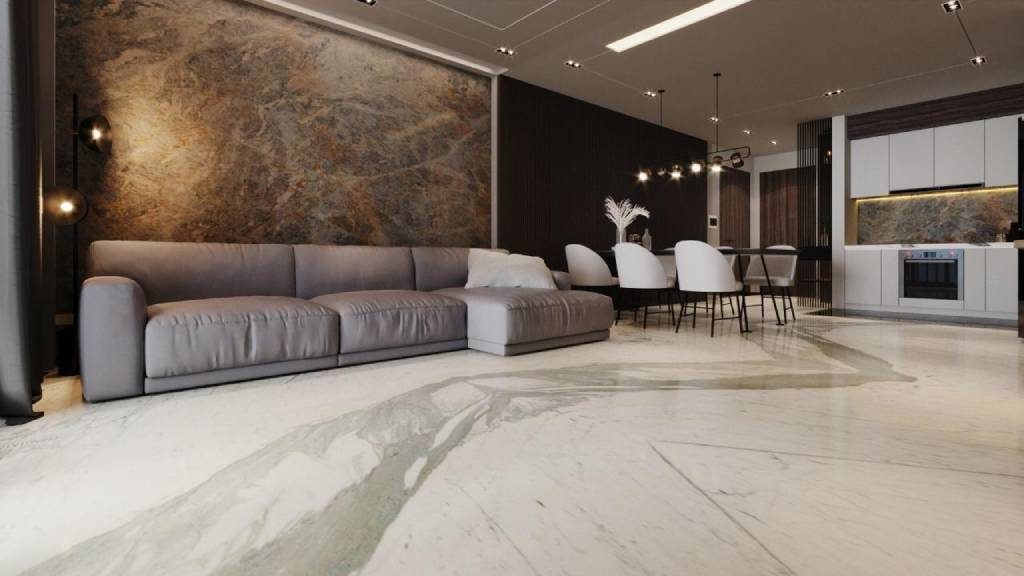
Now let us examine quartz within the quartz vs. quartzite discussion. Quartz is an engineered surface created by combining crushed quartz crystals with resins and pigments. This process produces consistency in colour and pattern.
When comparing quartz and quartzite, the fundamental difference between quartz and quartzite lies in origin. Quartz is manufactured. Quartzite is natural.
To better understand how natural stone compares with manufactured alternatives, read natural stone vs artificial tiles.
How Engineered Quartz Is Manufactured
Quartz production occurs in controlled facilities. Quartz crystals are blended with binding resins and pigments. The mixture is compressed into slabs and cured. This engineered process allows designers to achieve uniform aesthetics across multiple installations.
This is why quartz vs. quartzite countertops often come down to whether one prefers predictability or natural variation.
Key Characteristics of Quartz Countertops
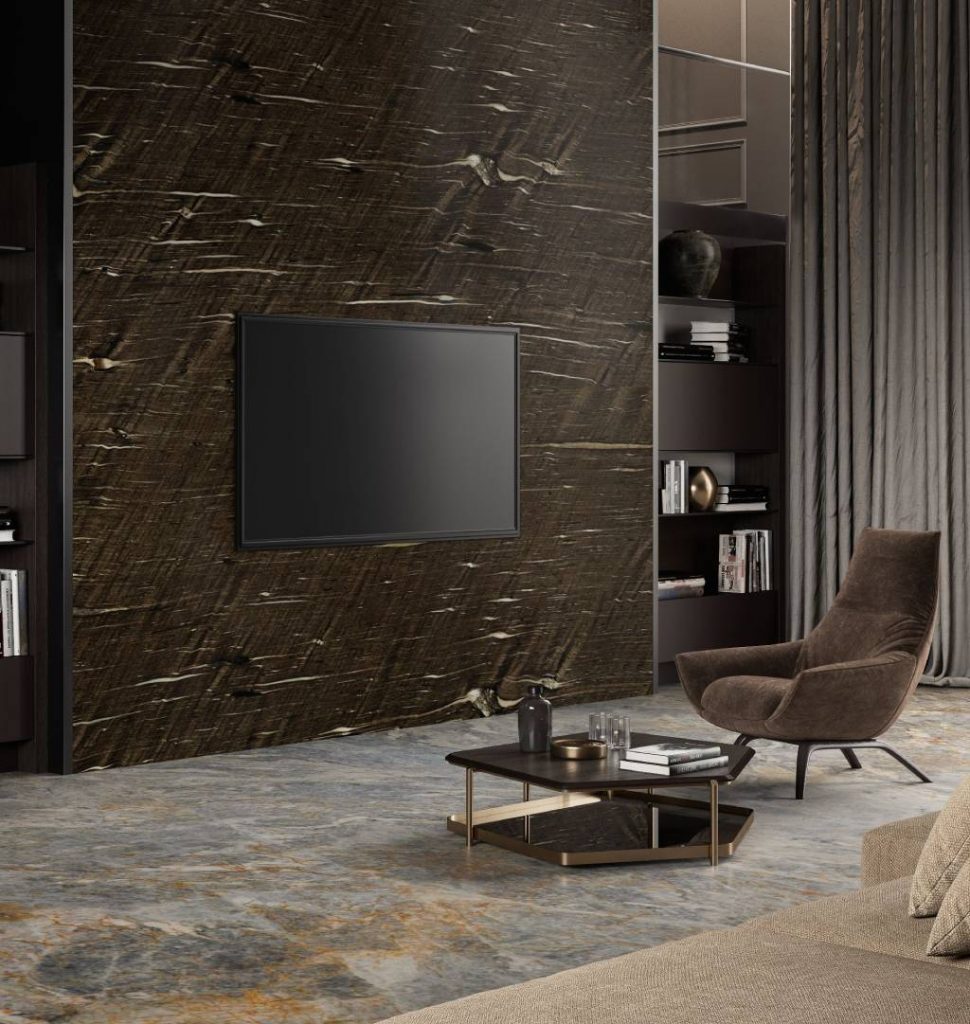
Quartz countertops are known for ease and practicality. Their core characteristics include the following.
- Uniform Appearance
Quartz delivers consistent visual patterns. - Low Maintenance
It does not typically require sealing. - Stain Resistance
Its non porous structure resists most household stains. - Reliable Durability
Quartz performs well in high traffic areas.
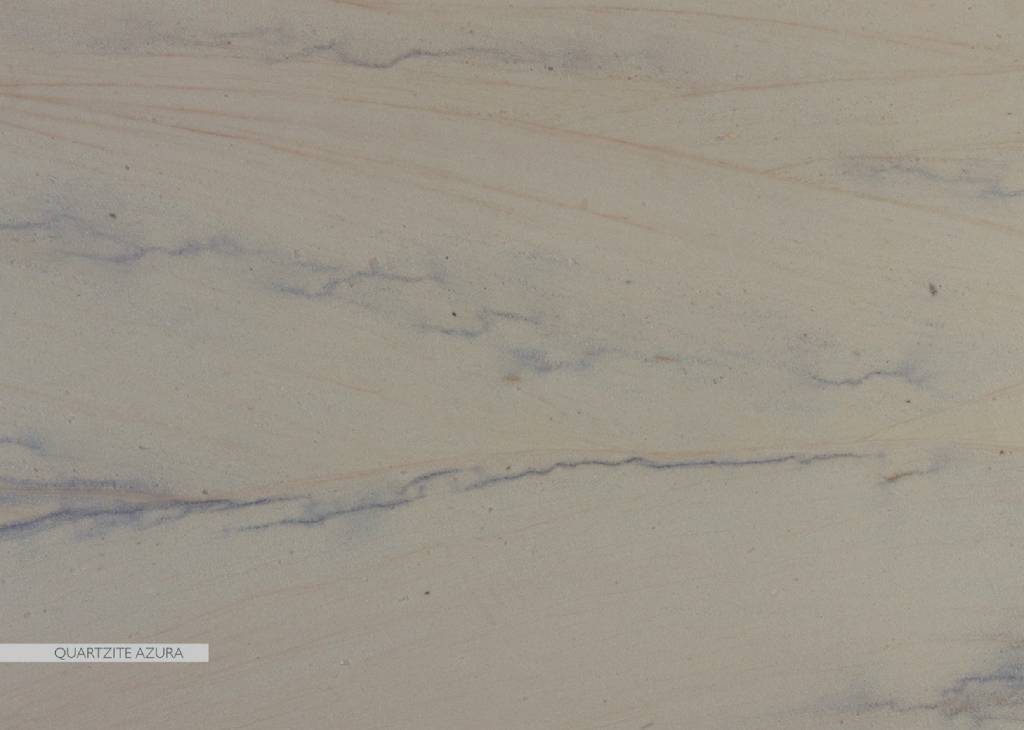
Difference Between Quartz and Quartzite: Natural vs. Engineered
The difference between quartz and quartzite becomes clearer when seen side by side.
| Feature | Quartz | Quartzite |
| Material Type | Engineered stone | Natural stone |
| Manufacturing | Man-made using quartz and resin | Formed naturally from sandstone |
| Maintenance | Low maintenance, no sealing | Requires sealing |
| Heat Resistance | Moderate | High |
| Appearance | Uniform and consistent | Natural veining and variation |
| Stain Resistance | Highly stain resistant | Needs sealing to resist stains |
| Cost Range | More budget-controlled | Usually higher priced |
This comparison simplifies the quartz vs. quartzite conversation. One is rare and organic. The other is engineered and consistent.
Understanding authenticity is equally important when selecting premium surfaces. For guidance, refer to Italian Marbles quality.
Similarities Between Quartz and Quartzite
Despite the difference between quartz and quartzite, both materials offer shared advantages in luxury homes.Both quartz and quartzite countertops can elevate interiors when chosen thoughtfully.
| Feature | Quartz | Quartzite |
| Visual Appeal | Premium, elegant finish | Natural, high-end stone look |
| Durability | Strong and long-lasting | Extremely hard and durable |
| Common Uses | Kitchens, bathrooms, countertops | Kitchens, bathrooms, countertops |
| Luxury Appeal | Popular in modern homes | Preferred in natural luxury spaces |
| Value Addition | Enhances property value | Enhances property value |
For distinctive marble selections known for refined expression, refer to Flaunt Marbles.
Pros and Cons of Quartz vs. Quartzite
Let's look at the Pros and Cons of Quartz and Quartzite for your chosen use. .
| Material | Pros | Cons |
| Quartzite | Natural, heat resistant, one-of-a-kind beauty | Requires sealing and higher quartz vs. quartzite cost for rare slabs |
| Quartz | Low maintenance, uniform appearance and controlled design | Less heat resistant and engineered not natural |
In spaces that require exclusivity and rare character, consider Rare and Precious Marbles.
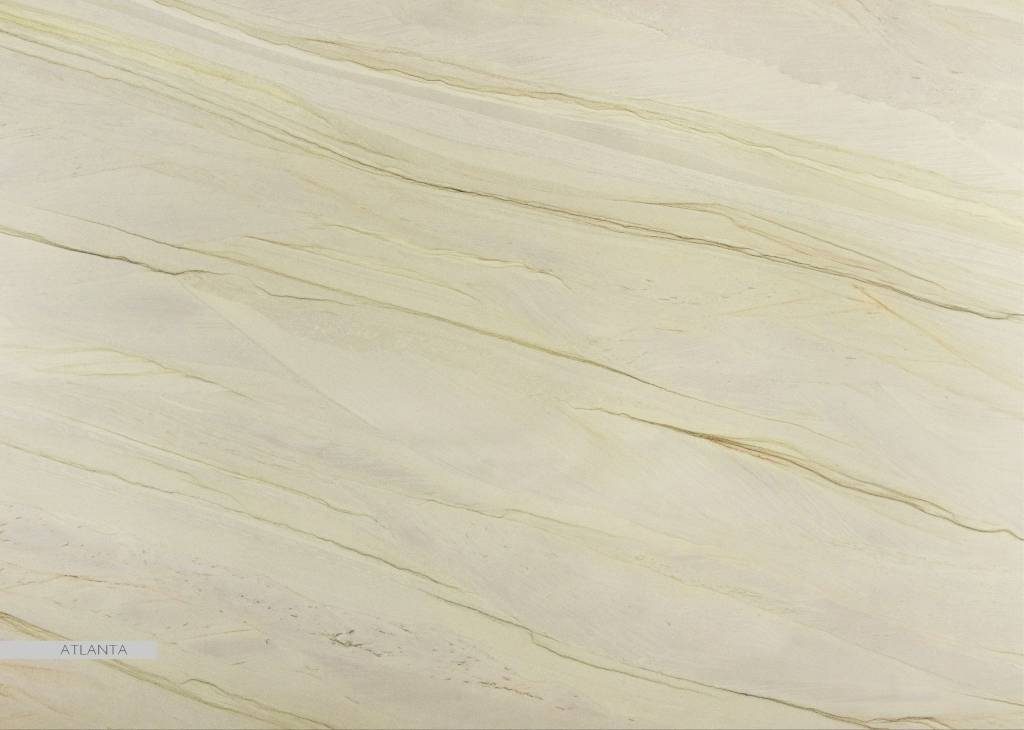
Quartz vs. Quartzite: Rare Luxury and Long Term Investment Value
Beyond aesthetics, quartz vs. quartzite cost and long term value must be considered. Quartz offers predictable budgeting and ease. Quartzite offers rarity and authentic provenance that often enhances resale value in luxury homes.
| Investment Factor | Quartzite | Quartz |
| Initial Cost | Premium | Moderate to premium |
| Longevity | Exceptional | Long lasting |
| Heat Performance | High | Moderate |
| Luxury Resale Impact | Strong | Moderate |
When evaluating quartz and quartzite as investments, the distinction lies in exclusivity and authenticity.
Quartz and Quartzite Countertops - Best Applications by Space
In culinary kitchens where heat exposure is constant, quartzite excels. In master suites and spa bathrooms, quartz and quartzite countertops both perform beautifully depending on maintenance preference. In high traffic areas, quartz offers convenience while quartzite delivers breathtaking presence.
For interiors inspired by iconic design narratives, see Celebrity Marbles.
Quartz vs. Quartzite Countertops - Maintenance and Care Requirements
Quartzite requires periodic sealing and mindful cleaning to preserve its natural integrity. Quartz requires minimal maintenance and does not usually need sealing. When choosing between quartz and quartzite, understanding these care requirements ensures longevity.
Quartz vs. Quartzite - Design, Colours and Finish Options
If you prefer vibrant natural movement and expressive veining, quartzite offers unmatched organic depth. If you prefer controlled palettes and uniform finishes, quartz provides consistency. Choosing quartz or quartzite ultimately reflects how you define luxury.
Quartz vs. Quartzite - Which One Should You Choose?
The answer depends on lifestyle and intention. If authenticity, provenance and one-of-a-kind presence matter most, quartzite stands apart. If ease and uniformity are priorities, quartz may align better. The quartz vs. quartzite decision is not simply functional. It is emotional.
Why The Quarry is the Only Choice for Authentic Natural Stone?
At The Quarry, slabs are not sourced in bulk. They are handpicked by our curators from 31 countries and 179 quarries and finished entirely in Italy to a world standard 20mm thickness . Every slab reflects trust, craftsmanship and uncompromising quality. When selecting quartz vs. quartzite countertops, choosing the right curator ensures authenticity and long term confidence.
FAQ
A hot cup can be placed briefly on quartz. However prolonged direct heat exposure is not recommended. Quartzite handles heat more effectively.
Yes, quartzite delivers a more natural premium aesthetic. It is shaped entirely by Mother Nature. Its depth and vibrancy cannot be replicated artificially.
Quartzite is worth the investment for homeowners seeking an authentic natural stone. Its rarity and vibrant depth elevate interiors. It also strengthens long term luxury positioning.
Taj Mahal is quartzite. It is a natural stone admired for its soft warmth and refined movement. It is frequently used in premium countertops.
Quartzite is generally more heat resistant and naturally durable. It withstands heavy daily use in luxury interiors. Quartz also performs well but has moderate heat tolerance.
Quartzite typically appears more premium due to its organic movement and one-of-a-kind character. Each slab feels curated and rare. Quartz offers refinement but less variation.
Quartzite is often considered one of the best stones for kitchen countertops because of its durability and heat tolerance. It performs confidently in active culinary spaces. Its authentic depth also enhances long term value.
The main difference between quartz and quartzite lies in origin. Quartzite is a natural stone formed through geological transformation. Quartz is engineered using quartz crystals and resins.
Homeowners should evaluate lifestyle, maintenance expectations and overall design vision. They should also consider quartz vs quartzite cost and long term value. Selecting a trusted curator ensures authenticity and craftsmanship.
Quartzite is ideal for those who prioritise natural beauty and heat resistance. It offers one-of-a-kind veining shaped by Mother Nature. Quartz is suited for homeowners who prefer low maintenance and uniform surfaces.