What Is Marble? A Practical Guide to its Properties, Types & Uses in 2026
Posted on by The Quarry
You’ve seen marble everywhere. In temples. In hotels. In luxury homes that feel a little more permanent than the rest. You probably recognise it instantly. A white base. With grey veins. Maybe something darker and dramatic. Still, if someone asked you to define marble properly, most people pause.
So let’s simplify it.
Marble is a natural stone that has been altered over time. It starts as limestone. Over millions of years, this limestone gets pushed deeper and deeper into the Earth and constant heat and pressure slowly alter its internal structure. The layers disappear. Fossils dissolve. The minerals reorganise themselves. What comes out on the other side is marble.
That transformation is the entire reason marble looks and behaves the way it does.
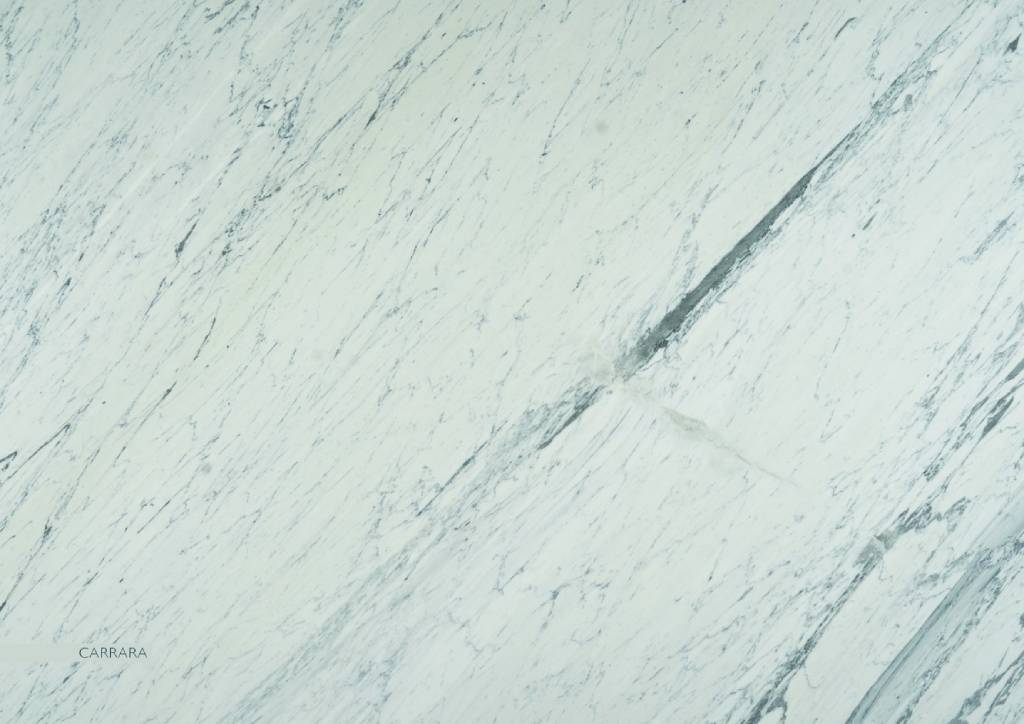
How Marble Forms Naturally?
Imagine limestone sitting quietly underground. Now imagine tectonic plates shifting and compressing everything in their path. The temperature rises. The pressure builds. The natural stone cannot remain the same.
Inside the limestone, calcite crystals begin to recrystallise. The original sedimentary structure fades away. The rock becomes denser and more tightly bonded. This is what geologists call metamorphism.
Those veins you see running across a marble slab are not surface decoration. They are mineral traces that moved through the natural stone while it was under pressure. Iron, graphite, clay and other elements shift during this process and settle into patterns.
That is why every slab feels different. It is not variation for the sake of it. It is geological history frozen in place.
When you look at marble, you are looking at time.
Explore Luxury Marbles known for distinctive veining and natural movement.
What is Marble made of?
At a chemical level, marble is mostly calcium carbonate in crystalline form. That is the calcite. Some marbles contain dolomite, which includes magnesium.
Why does this matter to you?
Because its composition affects its behaviour.
High calcite marble tends to be softer and reacts more easily to acids. Dolomitic marble can be slightly harder. The minerals present also affect colour. Pure calcite gives you white marble. Iron introduces warmer tones. Graphite brings in greys. Other minerals create greens and pinks.
So when you choose a slab, you are not just choosing a colour. You are choosing a mineral composition.
That composition quietly determines how the natural stone will perform in your space.
See commonly selected Popular Marbles used in residential interiors.
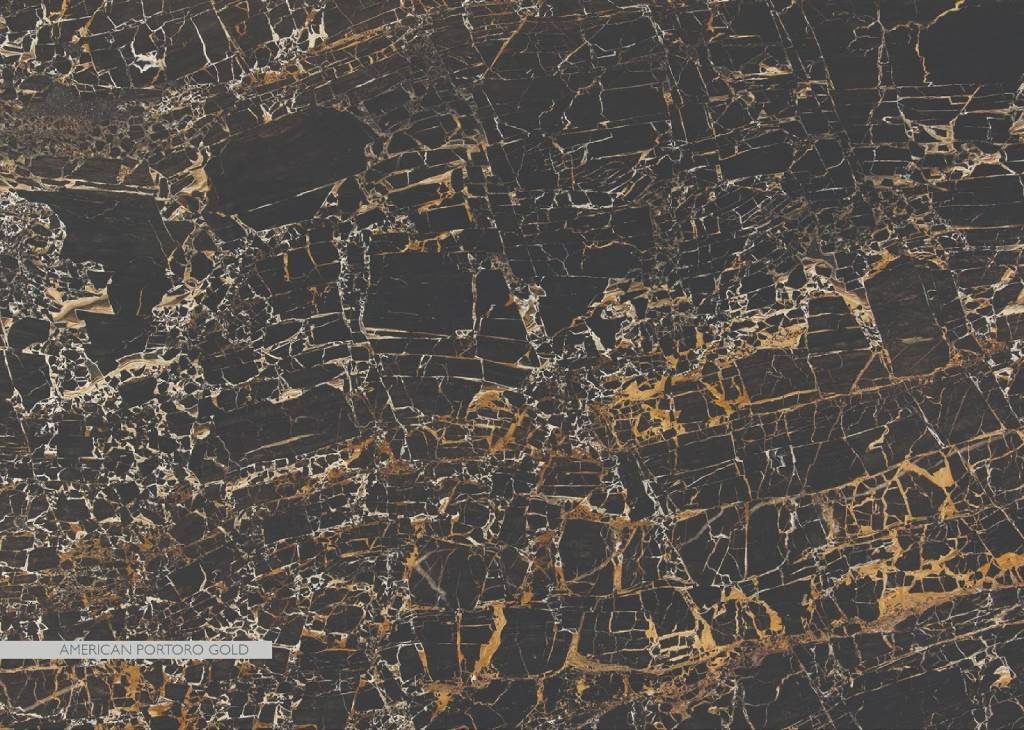
How Marble Behaves in Real Life
This is where most practical questions begin.
Marble is softer than granite. On the Mohs hardness scale, it usually falls between 3 and 5. That softness is why sculptors have loved marble for centuries. It allows for great detail. It responds to tools.
It is also porous. If you leave wine or coffee sitting on the surface for hours, it can absorb. Sealing helps. Prompt cleaning helps even more.
Heat is rarely a concern in normal residential use. Marble does not warp or melt under standard temperatures. Fireplaces and flooring around the universe have relied on marble for generations for that reason.
One of the most distinctive traits of marble is how it reflects light. When polished, light penetrates slightly into the surface before reflecting. That creates depth rather than a flat shine. It is subtle, but once you notice it, you cannot unsee it.
Marble carries both strength and sensitivity. That balance is what makes it interesting to live with.
Browse personalised marbles designed for distinctive interior spaces.
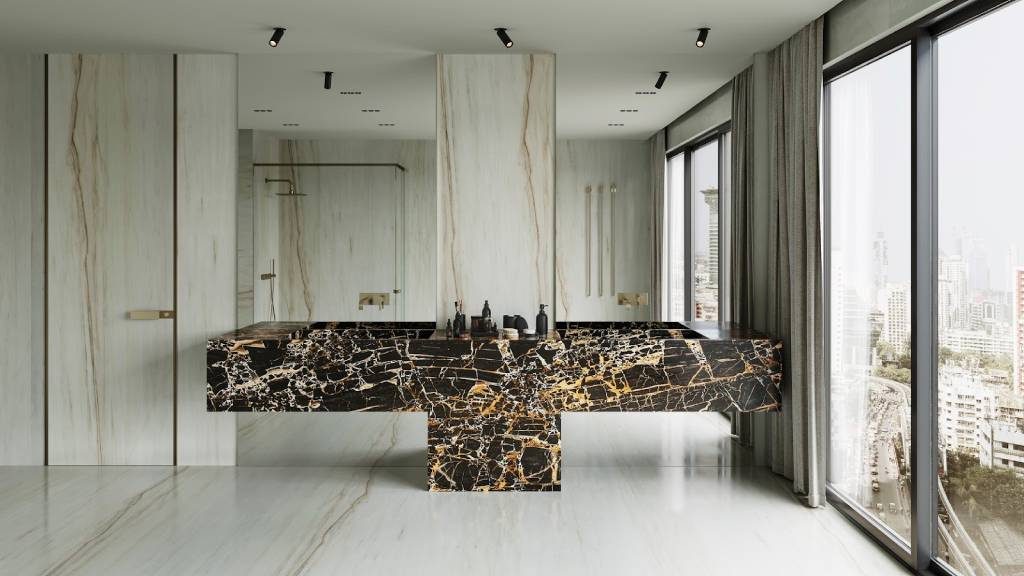
Examples of rare natural stones can be seen among Imported Marbles sourced globally.
Natural Marble vs. What Is Often Confused With It
The word marble is used loosely in the market.
- Natural marble forms through the geological process. Every slab is unique.
- Engineered marble is manufactured. It combines crushed natural stone with resin. The pattern is controlled. Uniform. Predictable.
- Onyx marble is often grouped with marble but it forms differently. Trade names such as Korean marble refer to synthetic materials designed to look like marble.
When you are specifying natural stone for your home, clarity matters. Natural marble behaves differently from manufactured alternatives.
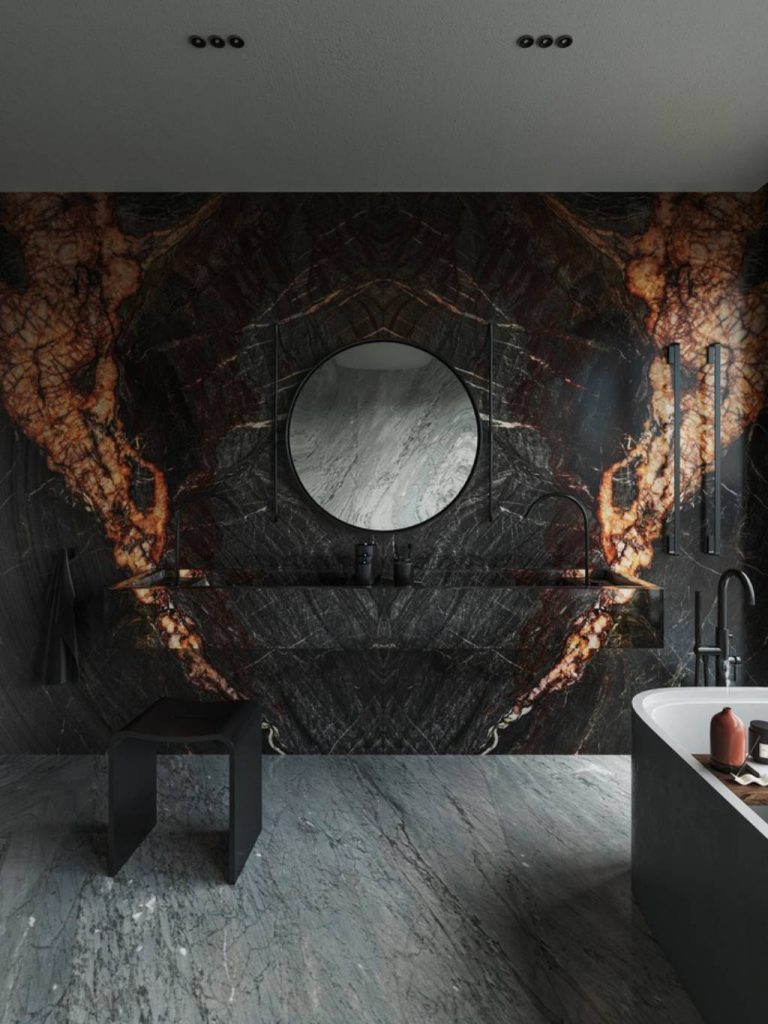
When specifying natural stone for interiors, understanding Italian Marbles Quality helps in identifying authentic stone.
How Surface Finishes Change Marble’s Performance
The finish of a slab of marble makes a noticeable difference.
Polished marble gives you that high gloss surface where the veining feels deeper and more dramatic. Etching shows more visibly on polished surfaces because of the shine.
Honed marble softens the reflection. It feels calmer. Minor scratches and light etching are less obvious.
Textured finishes such as brushed or leathered surfaces introduce grip. They are often chosen for flooring where slip resistance is important.
The finish of a slab of marble is not just about appearance. It changes how the natural stone performs in daily life.
Minimal interiors often incorporate Minimalist Marble Design for subtle and balanced spaces.
Marble vs Granite: How They Actually Differ
People often compare marble and granite as if they are interchangeable. They are not. Marble begins as limestone and transforms under heat and pressure. Granite forms from cooled magma beneath the Earth’s surface.
Granite is harder. It resists scratching more easily. Marble offers softer movement and more fluid veining.
If you want bold crystal speckling and maximum scratch resistance, granite may suit you. If you are drawn to flowing veins and depth, marble tends to win.
The choice is rarely about which is better. It is about what feels right in your space.
Design elements such as Marble Office Tables show how marble can also extend into furniture design.
Other Materials Commonly Referred to as Marble
In a world filled with engineered uniformity, marble feels alive.
Every slab is different. The movement is never repeated exactly. The surface changes subtly over time. It is a reflection of how you use it.
At The Quarry, we curate natural marble from 179 quarries across 31 countries and finish our slabs entirely in Italy to a calibrated 20 mm world standard thickness. When you visit the Quarry Gallery by appointment, you experience marble at full slab scale rather than as a small sample. That shift alone changes how you understand proportion and movement.
Through The Quarry CO: LAB, we explore distinctive natural stones that push boundaries while remaining grounded in geological authenticity.
Marble is not just decorative. It is geological time shaped for architecture and spaces. That are lived in Once you understand that, you see it differently.
FAQ
Marble generally maintains its colour indoors. Prolonged and intense UV exposure may affect certain varieties over time, though this is uncommon in typical residential use.
Marble can scratch because it is softer than granite. Everyday use does not usually cause visible damage, but dragging sharp or hard objects across the surface can leave marks.
Marble can absorb liquids if spills are left unattended, but many stains can be reduced or removed with the correct treatment. Prevention through sealing and timely cleaning is always easier than correction.
Marble is structurally strong and has high compressive strength, which makes it suitable for flooring and architectural use. It is softer than granite in terms of scratch resistance, but it performs well in residential environments when maintained properly.
Yes, marble is widely used in kitchens and bathrooms. It requires mindful maintenance, especially around acidic substances and standing water, but it performs well in residential settings.
No, marble is not fully waterproof. It is naturally porous, which means it can absorb moisture if left exposed for long periods. Sealing helps reduce absorption, but prompt cleaning still matters.
Natural marble, engineered marble and onyx marble are the most commonly referenced categories. Natural marble forms through metamorphism, while engineered marble is manufactured and more uniform in appearance.
Limestone or dolostone transforms into marble when exposed to heat and pressure deep within the earth. This process is known as metamorphism.