Types of Italian Marble: Complete Guide to Popular Varieties, Prices & Uses
Posted on by The Quarry
If you’re exploring the types of Italian marble for your home, you’re not just choosing a material. You’re choosing how your space will feel for years.
Italian marble comes in many forms, from classic white, beige and grey varieties to more expressive, exotic stones. Each one is shaped by its origin, formation and natural ageing, which gives it a distinct character in the space.
The real question is not what looks good today. It’s what will still feel right after you’ve lived with it, walked on it, seen it in morning light and at night.
Understanding the varieties of Italian marble helps you make that decision with confidence. This guide walks you through the different types of Italian marble, where they work best, what they cost, and how to choose something that feels like it belongs in your space.
Why Italian Marble Is Considered Premium Worldwide
Italian marble has been used for centuries in building, sculpture and luxury interiors, earning it its renown. It is quarried from areas such as Carrara and Brescia and is prized for its natural composition, fine-grain structure, bright finish and ability to age with character.
Many of the world's most luxurious residences, hotels and landmark spaces feature what are often referred to as Celebrity Marbles, admired for their exclusivity and timeless appeal.
- Elegance and functionality blend in the types of Italian marble varieties. The surface appears polished without being overdone and that’s why it is still used for luxury residences, hotels, villas and high-end commercial areas all around the world.
- Italian marble is characterised by delicate grains, harmonious veining and natural depth. The patterns don’t feel repetitious, they feel organic. Each slab has its own presence.
- The strong, dense structure of fine Italian marble is built over time under natural pressure. With the appropriate installation and care, it stands up well throughout floors, walls, staircases, bathrooms and feature spaces.
- The Italian Marbles quality is often associated with a tighter surface structure, which helps the polish remain longer and makes the stone easier to maintain when sealed properly.
- Italian marble is coveted in luxury houses, hospitality projects and landmark interiors, since it adds a polished, timeless finish to a space without requiring over-ornamentation.
The varieties of Italian marble provide a more sophisticated surface, a smoother polish and a degree of visual uniformity that makes them particularly suited for premium interiors when compared to many other stones.
Classification of Types of Italian Marble
The different types of Italian marble can be understood by colour, tone, veining and best application. This makes it easier to compare each category before looking at specific marble names.
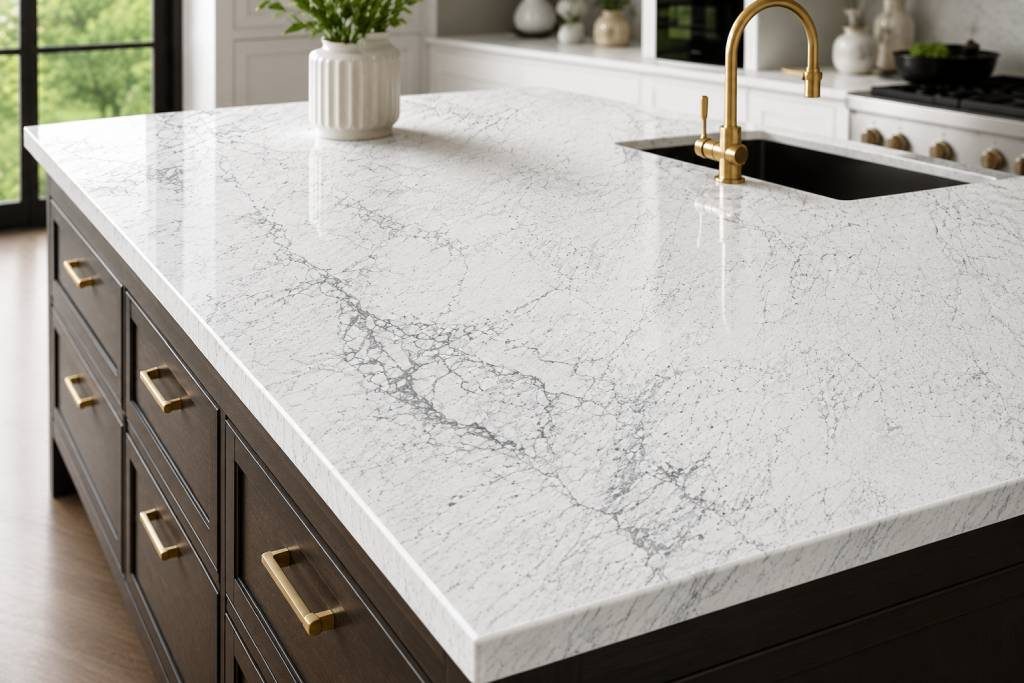
- White Italian Marble
White Italian marbles like Statuario, Carrara and Calacatta have a bright base with subtle grey or gold veining. It is a popular choice as italian marble for living room spaces, along with foyers, bathrooms, feature walls and selected flooring areas where a lighter, more refined look is desired.
When selecting premium natural stone for luxury interiors, homeowners often explore a wide range of options, from Luxury Marbles and Popular Marbles to exclusive imported collections. The right marble can transform any living space by adding elegance, durability and timeless appeal while complementing both classic and contemporary design styles.
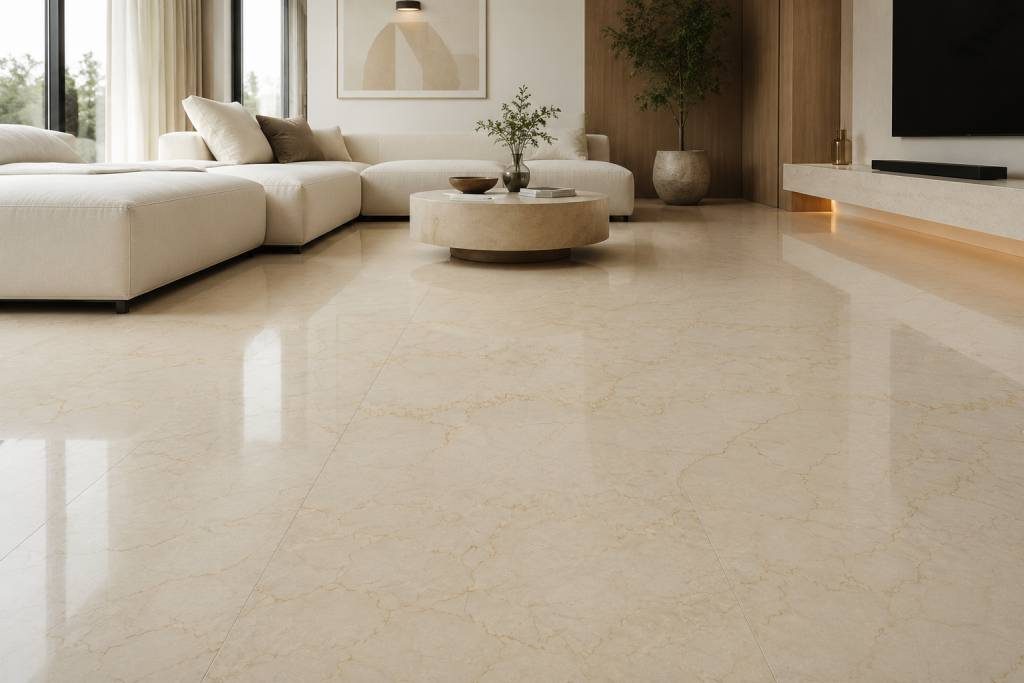
- Beige Italian Marble
Italian marble such as Botticino and Dyna in beige provides warmer tones with a calmer movement. It’s a practical solution for large floors, staircases, hallways and family rooms, as it feels sophisticated but is more forgiving on a regular basis.
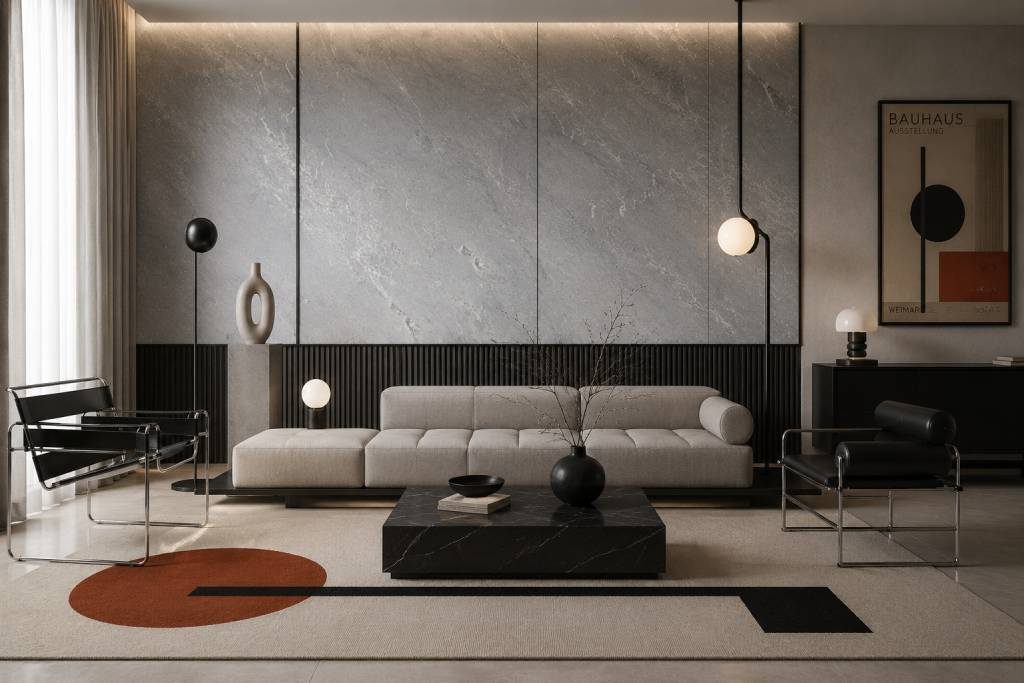
- Grey Italian Marble
Grey Italian marbles like Grey William are cold in tone, linear in veining and contemporary in feel. It suits modern residences, offices, bathrooms and feature walls where the design needs to have structure but not be visually heavy.
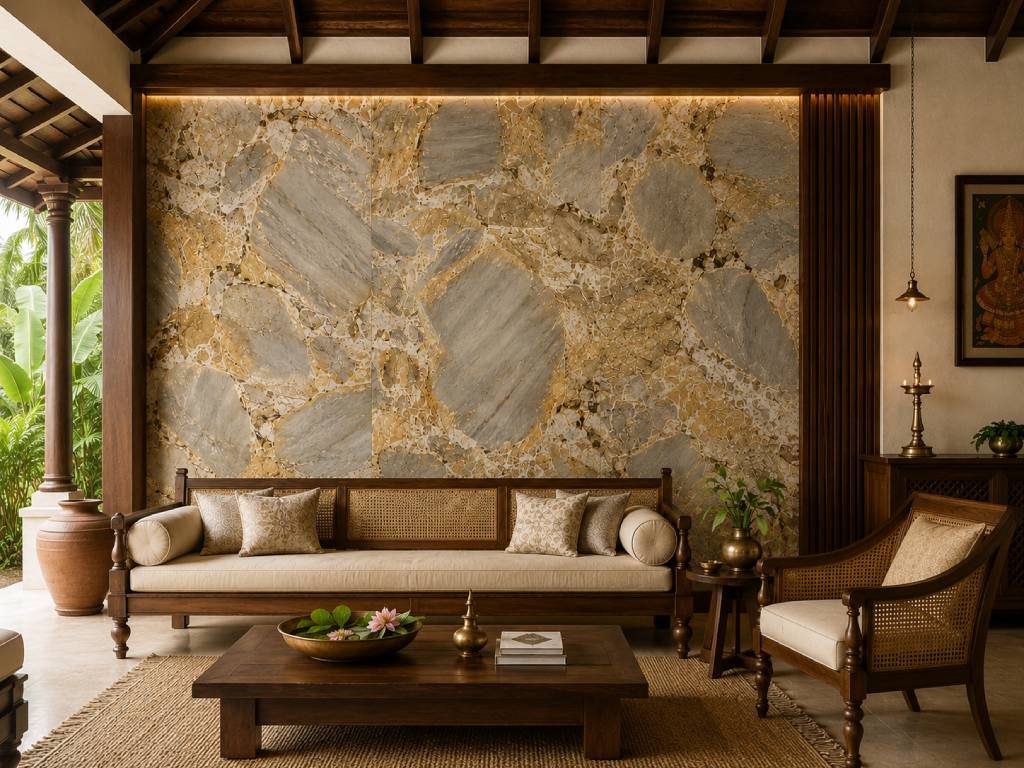
- Exotic & High-Contrast Marble
Exotic and high-contrast Italian marbles have stronger veining, deeper colour variation and a more expressive surface. They are best used for accent walls, statement floors, kitchen islands, bar counters or luxury bathrooms where the marble is intended to become a key design feature.
When compared this way, it becomes easier to choose the right type of Italian marble flooring for your home based on colour, usage, maintenance needs and the level of visual impact you want in the space.
List of Popular Types of Italian Marble (Detailed Breakdown)
Here’s a selection of some of the most popular Italian marble flooring types for living rooms and other high-end areas, from bright statement stones to warmer, easier-to-live-with varieties.
1. Statuario Marble
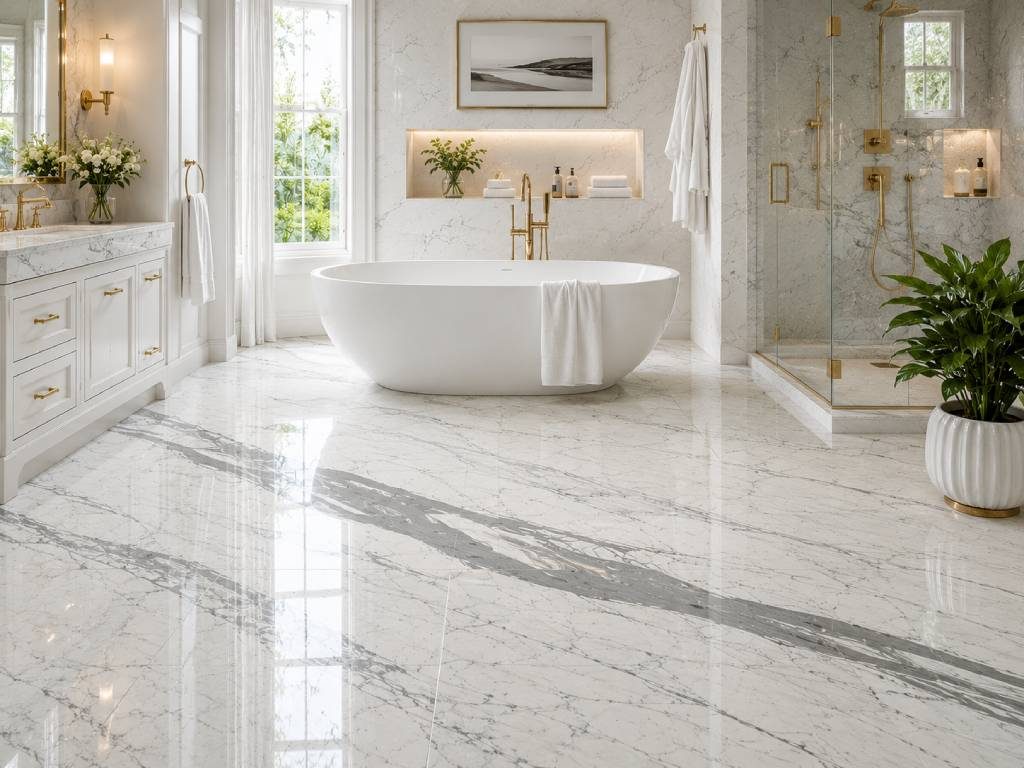
Statuario is one of the most recognised luxury marbles from the Carrara region. It has a bright white base with bold grey veining, giving it a striking and highly refined appearance.
It works especially well in large living rooms, villas, foyers and statement floors where the stone has enough space to be appreciated. Compared to Carrara, its veining is more pronounced, so it naturally becomes a strong visual feature in the room.
Many architects and interior designers prefer Imported Marbles because of their unique patterns, premium finish and long-lasting value. Understanding Italian Marbles Quality before making a purchase helps homeowners choose the right material for flooring, walls and statement spaces.
Beyond flooring and wall applications, Italian marble is also widely used in custom furniture and workspace solutions. Premium Marble Office Tables offer a refined look while adding durability and luxury to executive offices, meeting rooms and home workspaces.
2. Carrara Marble
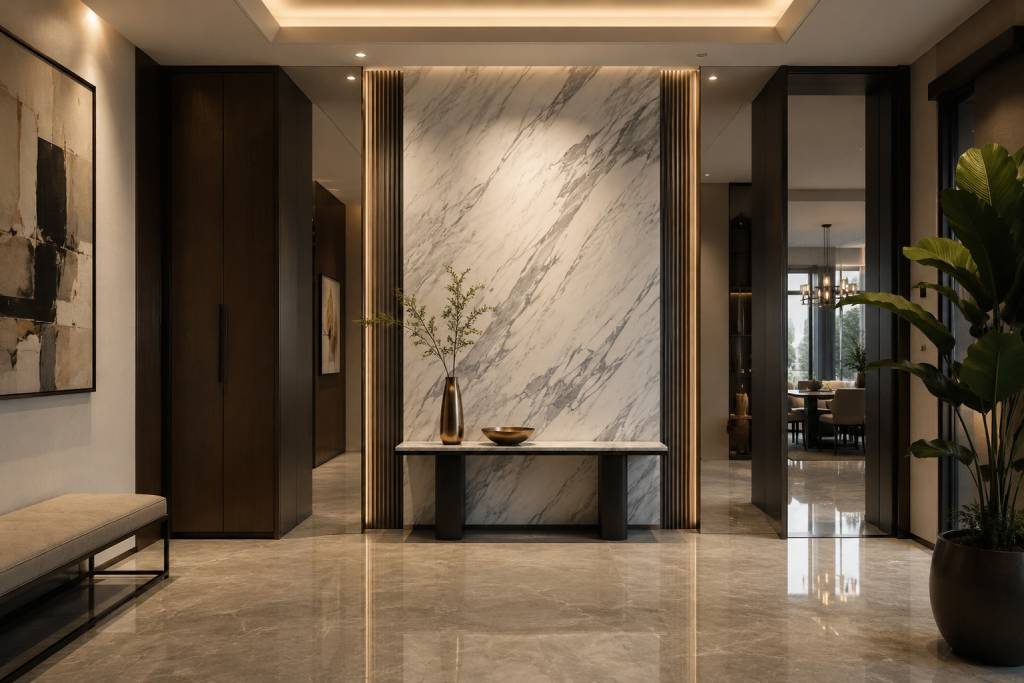
Carrara is one of the softer and more subtle options in the Italian marble variety. Usually it has a light grey foundation with delicate, feathery veins, making it easier to employ in homes that want a calmer design language.
It works well in bathrooms, kitchens and simple designs where the marble should feel sophisticated without dominating the room. The subtle design also makes it a more liveable option day-to-day, especially in households that appreciate a clean and classic look.
3. Calacatta Marble
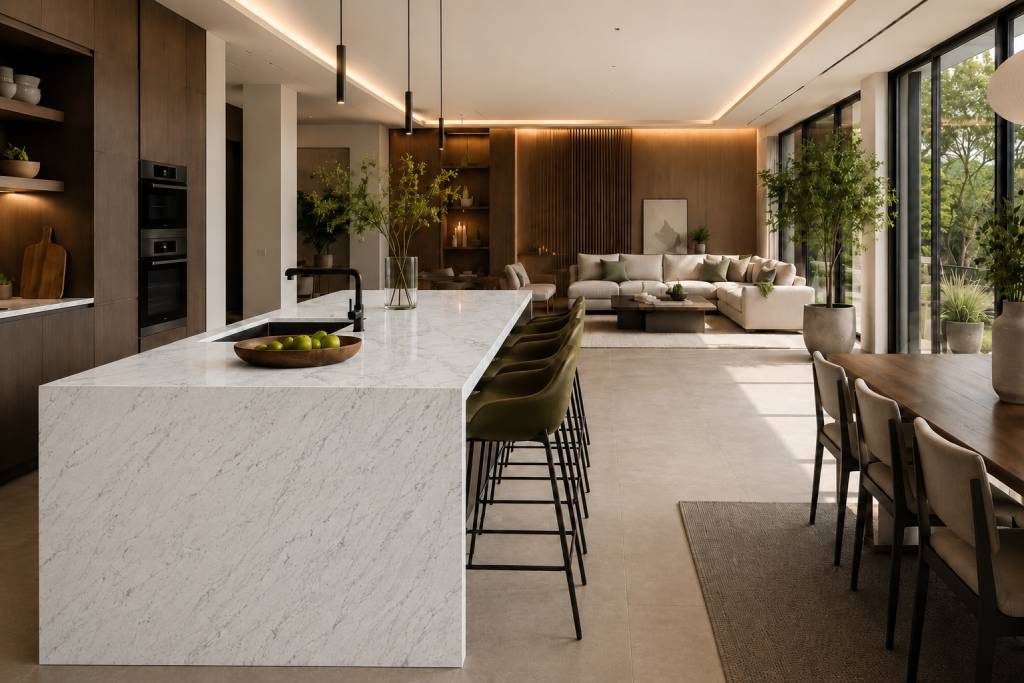
Calacatta is rare, expressive and often chosen for spaces where the surface is meant to be noticed. While it is sometimes confused with Statuario, it has thicker, more dramatic veins and may include warm gold undertones.
One of the most sought-after Statement Marbles, Calacatta works beautifully for statement floors, kitchen islands, feature walls and luxury bathrooms.Because the pattern has strong movement, Calacatta is best used where the surrounding design is more restrained, allowing the marble to remain the main visual focus.
For modern homes that embrace simplicity and elegance, Minimalist Marble Design concepts are becoming increasingly popular. These designs highlight the natural beauty of marble while maintaining clean lines, open spaces and a sophisticated visual balance.
4. Botticino Marble
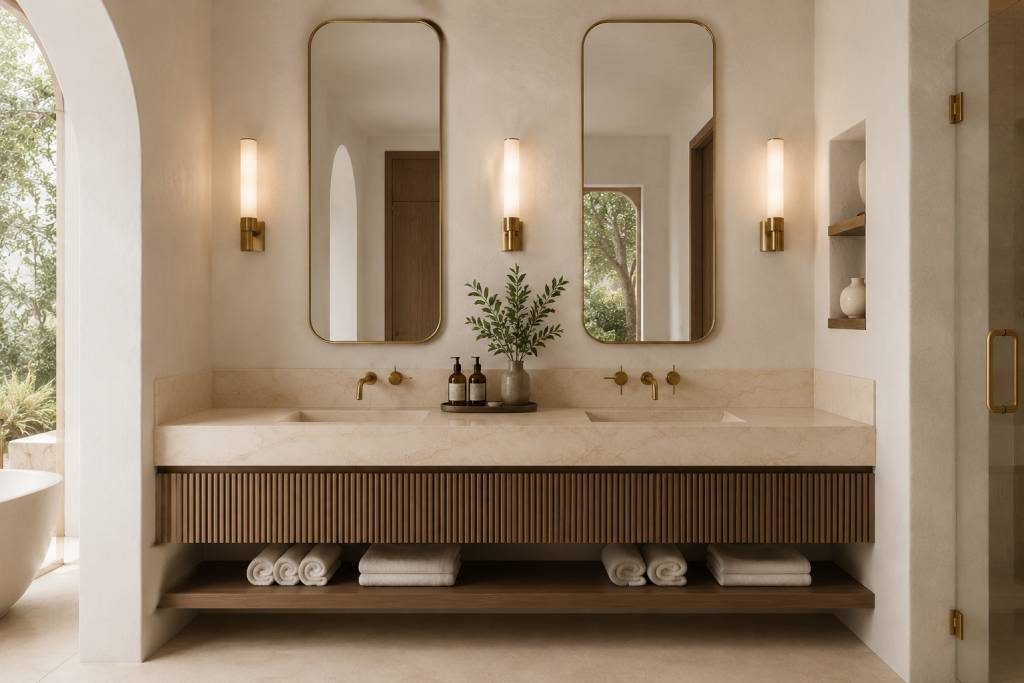
Botticino is a warm beige marble from Brescia, Italy. It’s a cream-beige base with gentle, faint veins, making it one of the most flexible types of Italian marble flooring for Indian houses.
It is especially good for staircases, large floors, hallways and locations with a lot of movement. Botticino is more forgiving in daily usage than whiter marbles since its warmer tone and soft pattern do not show little indications of wear as soon.
5. Dyna Marble
Dyna marble has an earthy beige background with flowing brown veining. It’s one of the most practical varieties of Italian marble for houses where the flooring must feel warm, stylish and easy to maintain.
It’s great for living rooms, dining rooms, commercial spaces and other high-traffic locations. The hue has just enough movement to feel real, but not so much that it dominates the space. This makes Dyna a great choice for customers looking for Italian marble that feels elegant yet livable for everyday use.
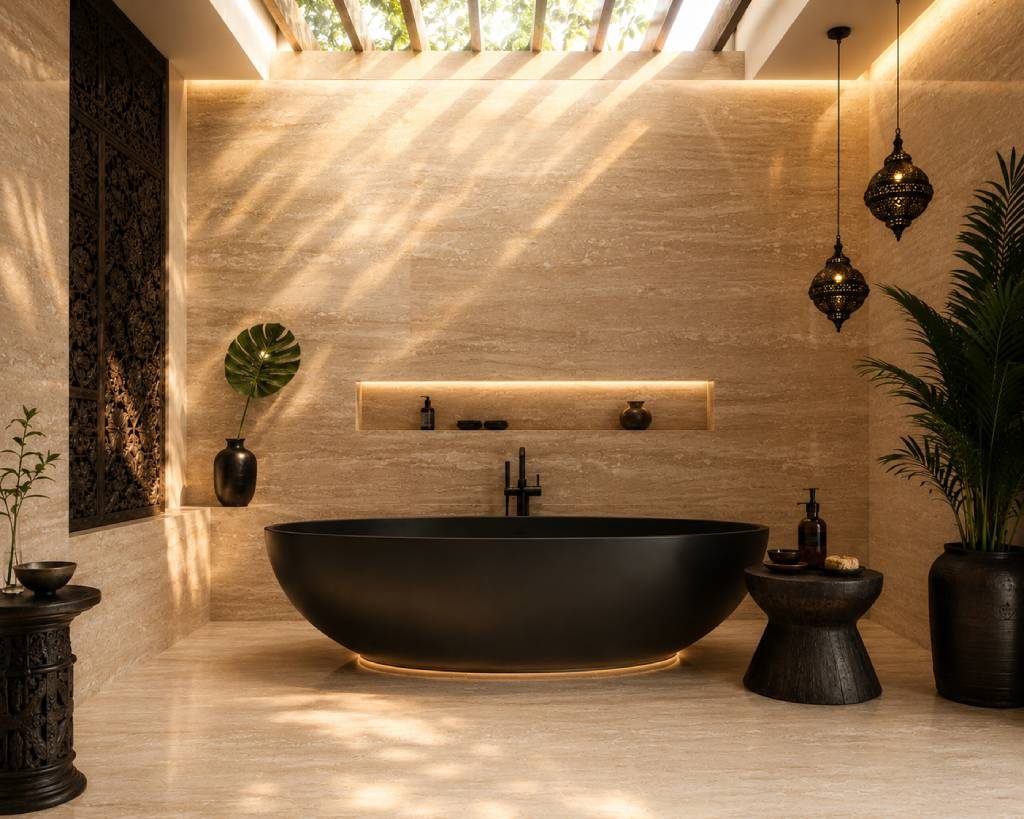
6. Travertine (Italian Variant)
Technically, travertine is a limestone, but in India it is often grouped under different types of Italian marble because of its Italian provenance and natural stone appeal. It has a porous texture, earthy tones and a more matte, tactile surface.
It is best suited for walls, facades, feature panels and low-traffic areas rather than heavy-use floors. Its grainy finish lends a softer, more natural appeal to rooms, especially when paired with wood, neutral palettes or soft lighting.
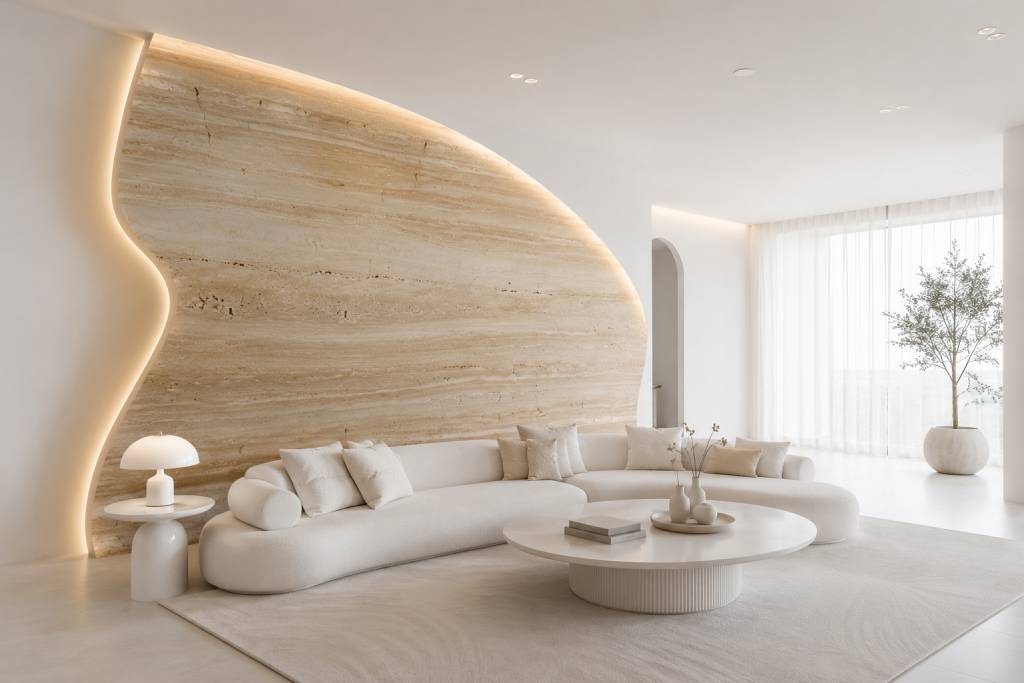
7. Grey William Marble
Grey William is a contemporary addition to the sorts of Italian marble. It has a mild grey foundation with linear veining and a clean, structural appearance.
It sits naturally in contemporary flats, modern villas, offices and basic interiors. The grey tone lends depth without making the piece weighty, and the linear veining gives the surface a structured, architectural feel. If the area is minimal or modern, Grey William marble fits nicely in.
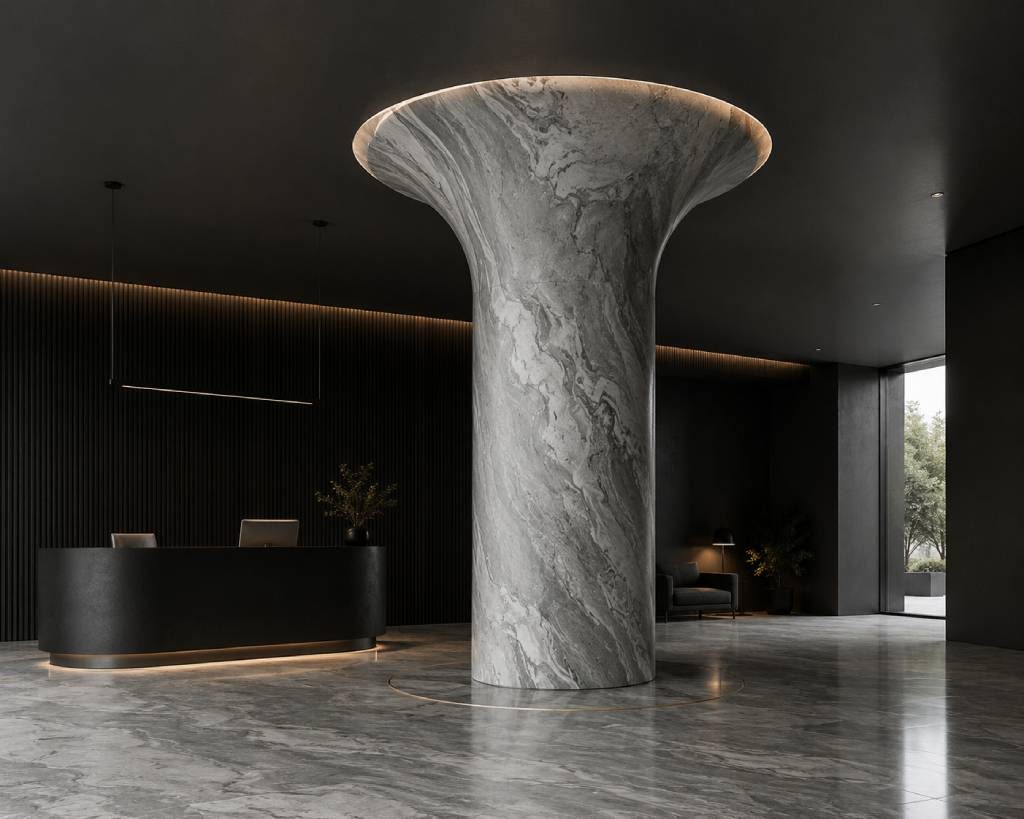
How to Choose the Right Type of Italian Marble for Your Home
Choosing from the many types of Italian marble flooring can feel overwhelming. You look at one slab, then another and suddenly everything starts to blur. So it helps to slow it down and look at it step by step.
- Define your budget
Start here. Not as a limitation, but as a way to narrow things down. Some stones are meant to stand out. Others are easier to use across larger spaces. Knowing where you want to land makes the rest of the process clearer.
- Match your interior style
Now look at your space. What does it lean towards? If it’s minimal, Carrara or Grey William feels natural. If it’s more layered and luxurious, Statuario or Calacatta will sit better. If you want warmth, something that feels easy to live with, Botticino or Dyna tend to work.
- Consider maintenance
This is the part people realise later. White marble needs more care. Because it shows more. Beige tones are more forgiving. They settle in without asking for too much attention.
- Decide based on usage
Where is it going? That changes everything. Flooring needs strength and durability. Something that holds up over time. Walls give you more freedom. You can go bolder. More expressive.
- Check authenticity
And finally, where you’re sourcing it from matters. A lot. The same marble can feel completely different depending on its quality. Always go with someone you trust.
Book your appointment with The Quarry Gallery in Mumbai for a marble buying experience like no other. Don't take our word for it. Experience it for yourself.
And that’s how you arrive at the best varieties of Italian marble for flooring and walls with confidence.
Italian Marble vs Indian Marble: Key Differences
If we have to compare Italian marble and Indian marble, it helps to look at both materials through origin, appearance, durability, maintenance, pricing and compatibility. This is especially useful when you are evaluating different types of Italian marble and their prices against local possibilities.
Factor |
Italian Marble |
Indian Marble |
Origin |
Imported, commonly from regions such as Carrara and Brescia in Italy. |
Locally sourced from different regions across India. |
Appearance |
Known for refined veining, a smoother finish and a polished luxury look. |
Usually has bolder patterns, earthy tones and a more grounded visual character. |
Durability |
Slightly softer, so it performs best with proper installation, sealing and care. |
Generally harder and more resistant to everyday wear. |
Maintenance |
Needs regular sealing, gentle cleaning and occasional polishing to retain its finish. |
Usually easier to maintain and more forgiving in high-use areas. |
Cost |
Typically more premium because of import, rarity, finish and slab quality. |
Often more accessible because of local availability. |
Best Applications |
Luxury homes, villas, living rooms, bathrooms, feature walls and statement floors. |
Everyday flooring, staircases, utility areas and homes that need a practical natural stone option. |
Overall Feel |
Refined, luminous and suited to spaces where the stone is part of the design language. |
Strong, practical and suited to homes that prefer durability with natural character. |
These differences make it easier to choose. Finish, rarity and luxury are the priorities when it comes to Italian marble, while durability, availability and practicality are the priorities when it comes to Indian marble.
Maintenance & Long-Term Considerations
Regular attention is required for all types of Italian marble to preserve the gloss, strength and natural beauty throughout time.
-
- Sealing: Seal the marble every few months, especially in high use areas. It protects the surface from ordinary spills, stains and dampness.
-
- Cleaning: Mild, pH-neutral cleansers only, no acid or abrasive agents. Powerful chemicals can steadily degrade the shine and damage the natural sheen.
-
- Polishing: The surface can lose part of its gloss over time. A mild professional polish will give the marble a new lease of life, bringing back a smooth, bright appearance.
-
- Scratch care: Do not drag heavy furniture or sharp things across the surface. You can use felt pads or carpets and move carefully to help prevent obvious marks.
- Spill management: Clean up spills immediately, especially tea, coffee, wine, citrus or oil-based spills. The sooner you wash them, the less danger they have of staining.
Italian marble, properly looked after, ages wonderfully and retains its presence. It is especially true if you use
premium types of Italian marble used in villas where the material is supposed to remain and to be lived with.
Homeowners looking for a more distinctive interior experience often choose personalised marbles that reflect their individual design preferences. These carefully selected stones create unique feature walls, flooring patterns and bespoke interior elements that stand out while maintaining timeless elegance.
FAQ
It needs care, yes. But not in a way that feels overwhelming. Regular sealing. Gentle cleaning. That’s usually enough. And once you see how it holds up over time, the effort makes sense.
Look closely at the surface. The veining should feel natural, not repetitive. There will be slight imperfections. That’s a good sign. And more than anything, where you source it from matters. A reliable supplier makes all the difference. Subtle hint to book your appointment with The Quarry Gallery in Mumbai.
You’ll come across a few names time and time over such as Statuari, Carrara and Calacatta. Then the warmer ones like Botticino and Dyna. Travertine sits slightly apart. Grey William for a more modern feel. Each one has its own personality. And that’s really what you’re choosing between.
Statuario, Carrara and Calacatta tend to lead the conversation. You’ll see them in most well-designed interiors. Each one offers a slightly different mood. But all three carry that recognisable Italian finish.
Carrara. Easily. It’s been around for centuries and still shows up everywhere. It’s softer, more understated and that’s exactly why it works in so many spaces.
If you had to point to one, most people would say Statuario. It has that bright white base and bold veining that feels unmistakable. It doesn’t blend in. It defines the space.
For everyday flooring, people usually lean toward Botticino, Dyna, or Carrara. They’re easier to live with. If the space is more premium or meant to stand out, Statuario is often used more selectively.